Infinite Prisms · Published April 2026
Most photographers who pick up a prism get chaos. Flare that kills the subject. Color that clips. Images that looked extraordinary on the LCD and collapse in delivery. Infinite Prisms is the systematic guide that fixes that.
Prices in USD · Instant digital download · Both volumes included
The problem
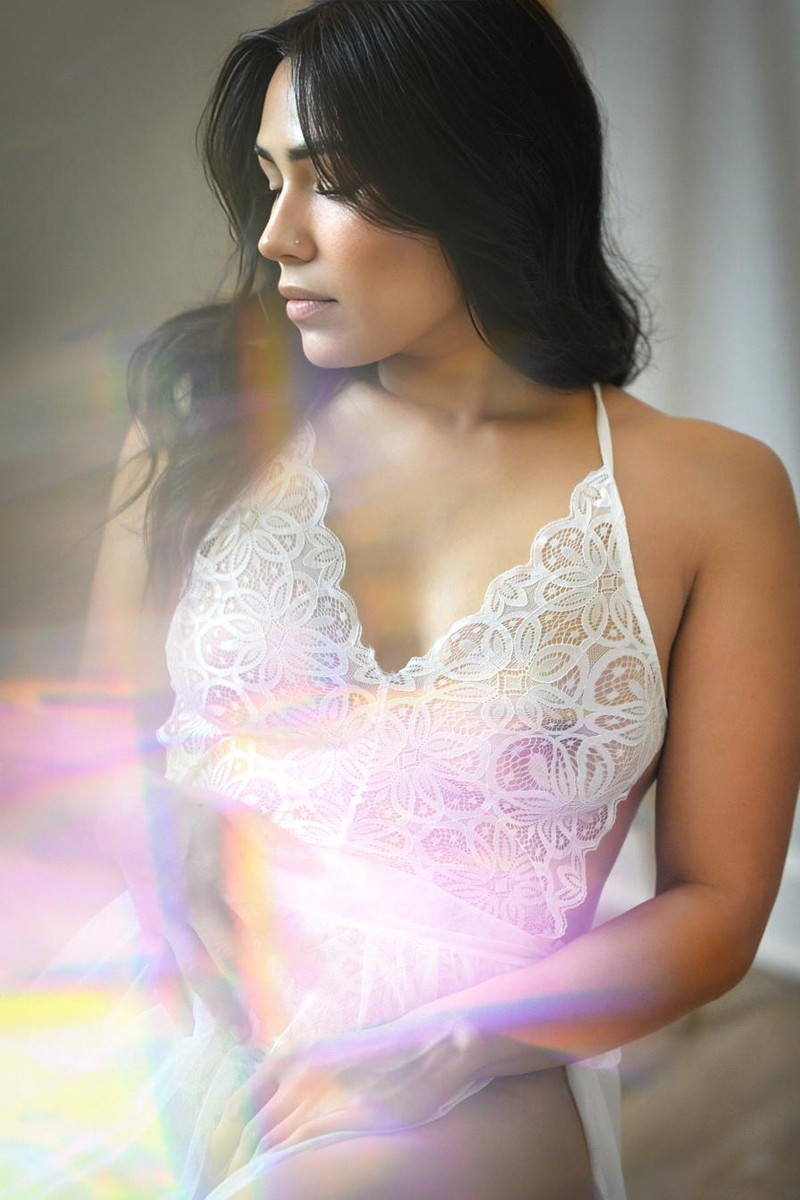
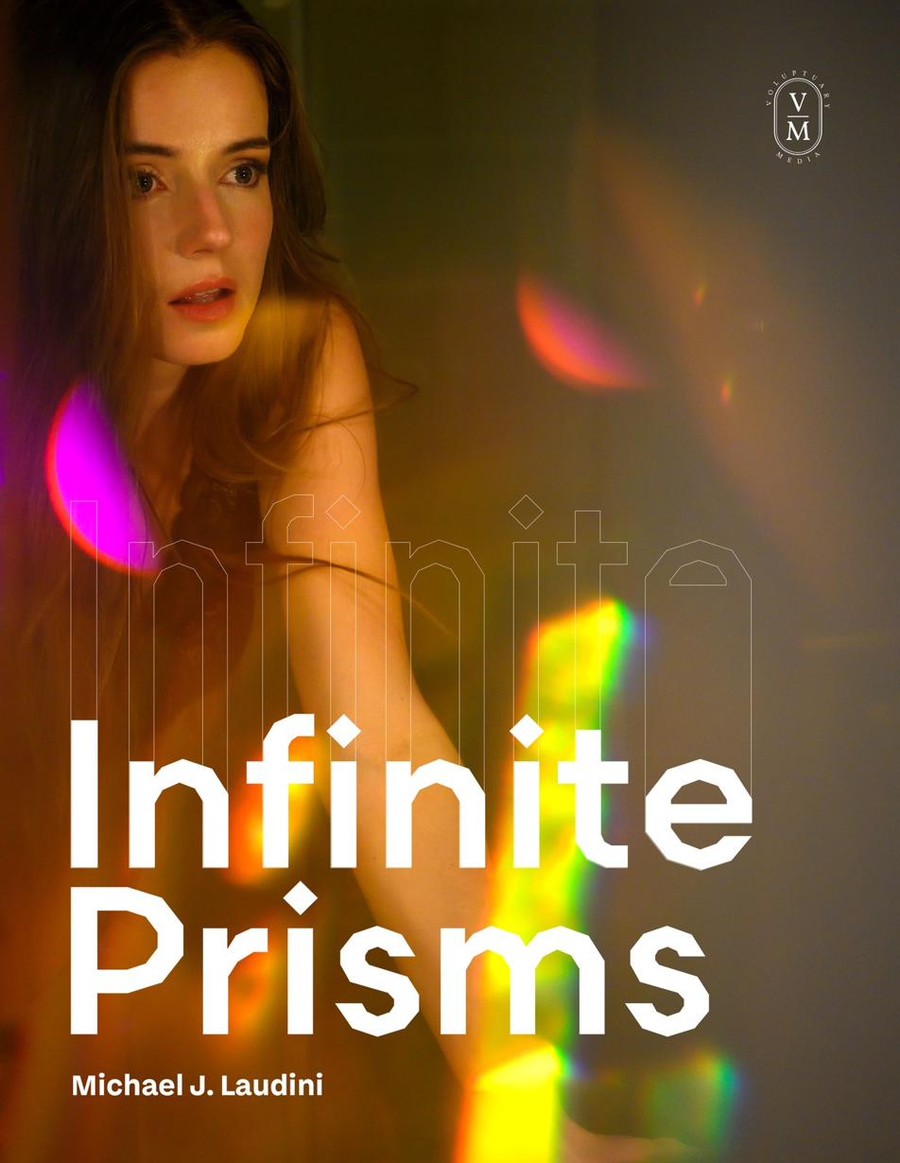
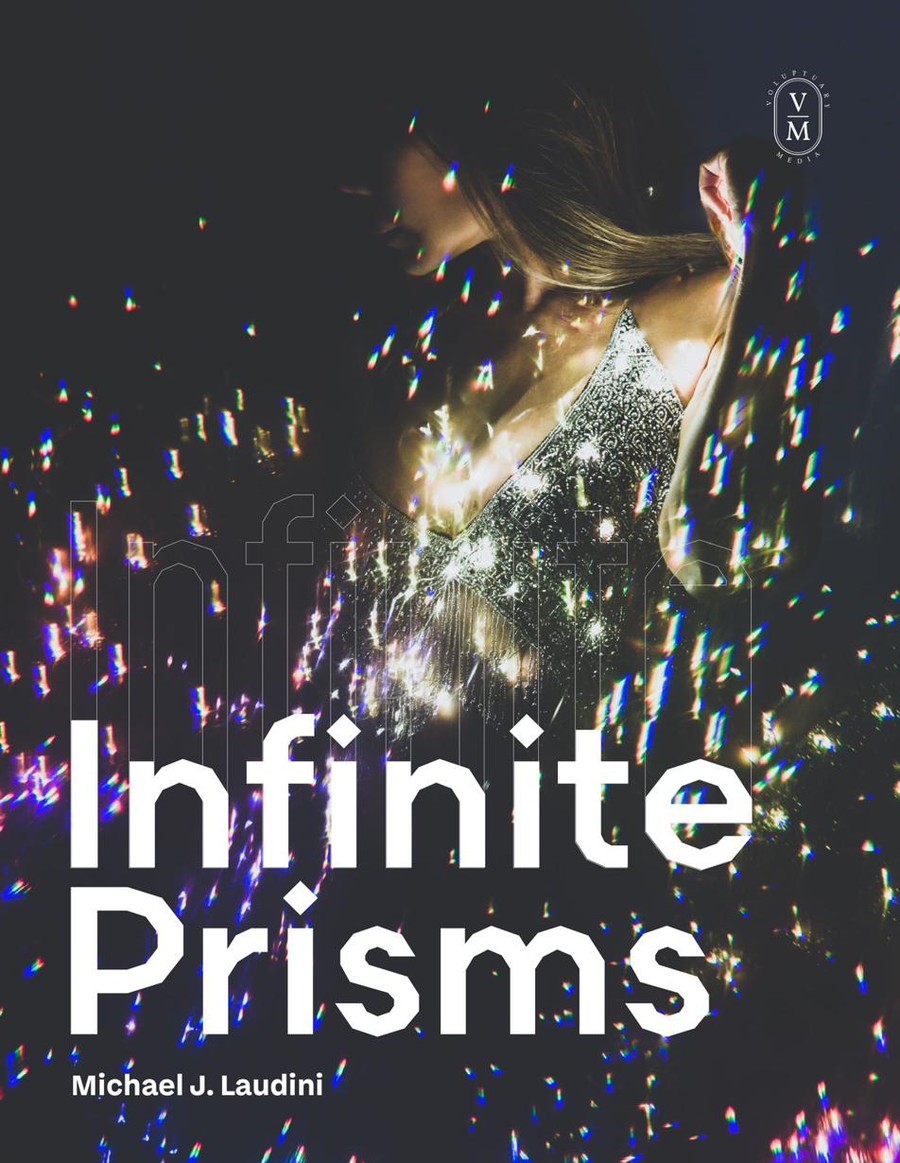
The images you've seen — luminous, layered, colour wrapping the subject like something painted rather than photographed — those didn't happen by accident. They came from understanding exactly where to hold the glass, at what distance, at what rotation, in what light, through what aperture.
Without that understanding, prism sessions drift. You get lucky occasionally. More often you get overwhelming flare, clipped magenta, geometry that fights with your subject's face instead of serving it. You pull the prism out of your bag less and less. Eventually it stays home.
That is the gap this book closes.
For photographers working with nude and boudoir subjects
You've found the subject. You've found the location. The light is right. And then the message comes — apologetic, short, final. She's not comfortable. She talked to someone. The shoot is off.
This happens to every photographer who works in artistic nude or boudoir, and it almost never has anything to do with trust in you as a photographer. It has to do with what the subject imagines the finished image will look like — exposed, clinical, permanent.
The prism changes that equation entirely.
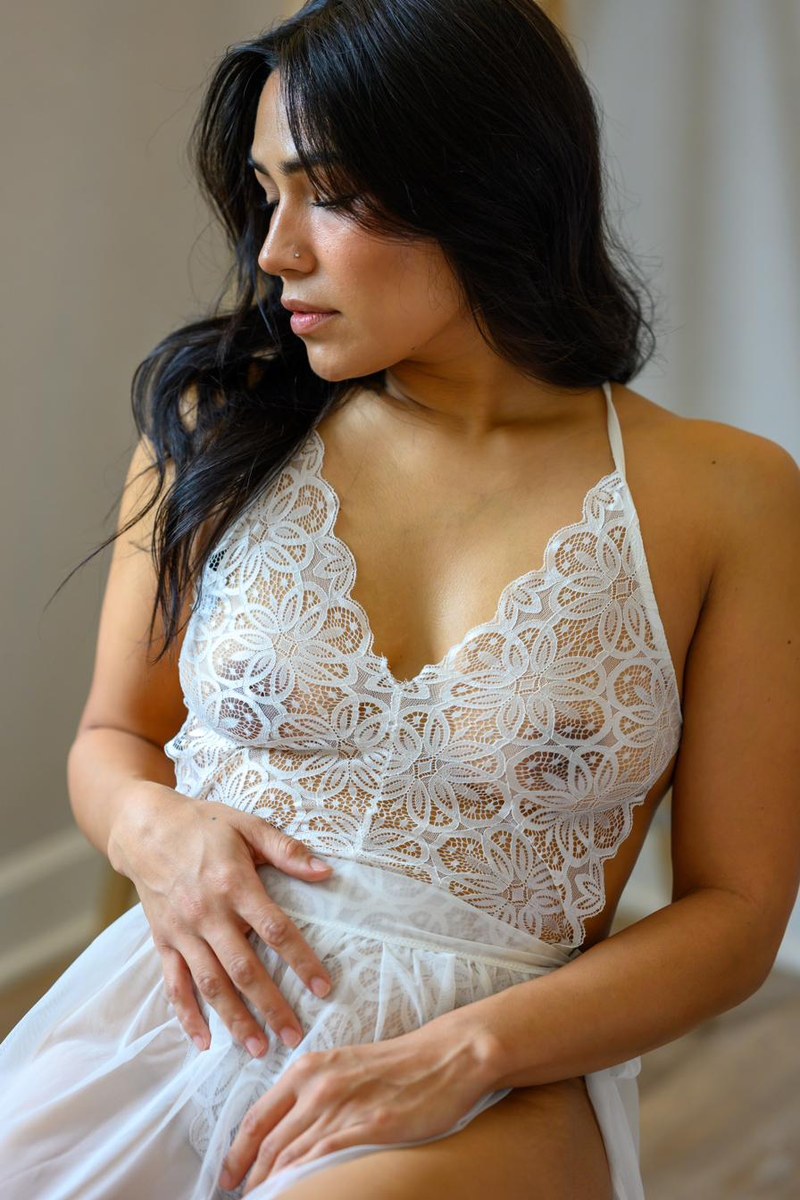
Positioned correctly, it overlays refraction directly onto sensitive areas of the body — replacing sharp anatomical detail with luminous colour, spectral blur, or cascading geometry. The result reads as intentional art, not exposure. It does not look edited after the fact. It looks photographed that way — and that distinction is everything.
"The degree of coverage is adjustable in-camera, in real time — from a soft spectral wash that grazes the area with colour, to full concealment that floods the target area with intense spectral bloom."
When subjects understand — before the session, in the consultation — that they have input over how much the prism covers and where it sits, the dynamic shifts from I have to trust the photographer to I am helping decide how my body is presented. That shift produces better images. It also produces more sessions that actually happen.
Chapter 11 of the Technical Guide covers this in full: the consultation conversation, how to demonstrate the technique before the session, and how to use the prism as both a creative and psychological tool in real time on set.
The solution
The images in this book were not accidents. Every frame was made by establishing a clean exposure baseline first, then introducing refraction with a specific intention — where the colour lands, how dense it is, what emotional register it creates.
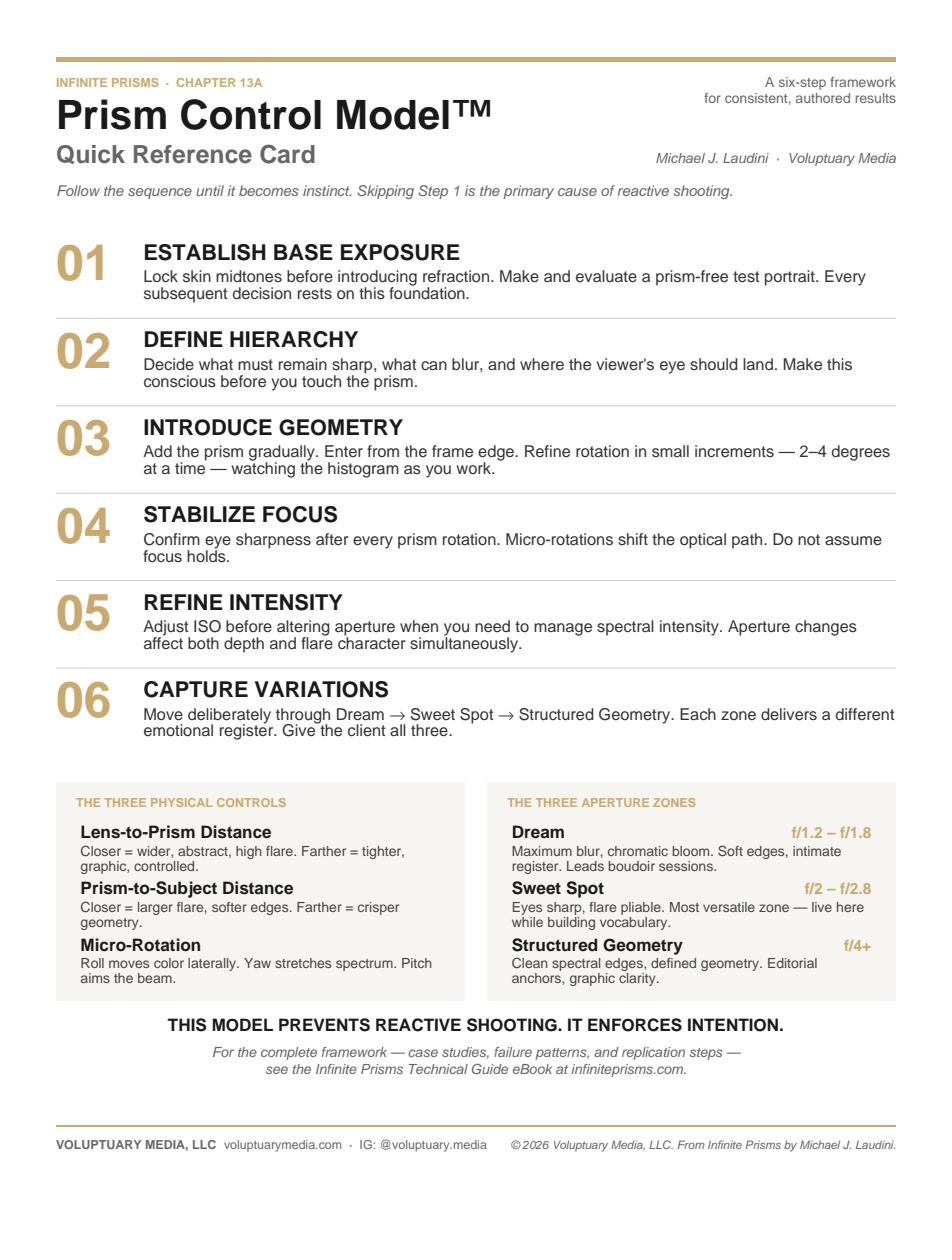
The system behind those decisions is the Prism Control Model™ — a six-step sequence that governs every session. Three physical controls determine everything: lens-to-prism distance, prism-to-subject distance, and micro-rotation across three axes. Aperture determines the character of every spectral effect in the frame. The three zones — Dream, Sweet Spot, Structured Geometry — each deliver a fundamentally different emotional register, and the best sessions move through all three with intention.
This is not a tips collection. It is a system you internalize until the mechanics become invisible — and what you capture is what you intended, not what happened.
What's inside — Technical Guide · 70 pages · 17 chapters
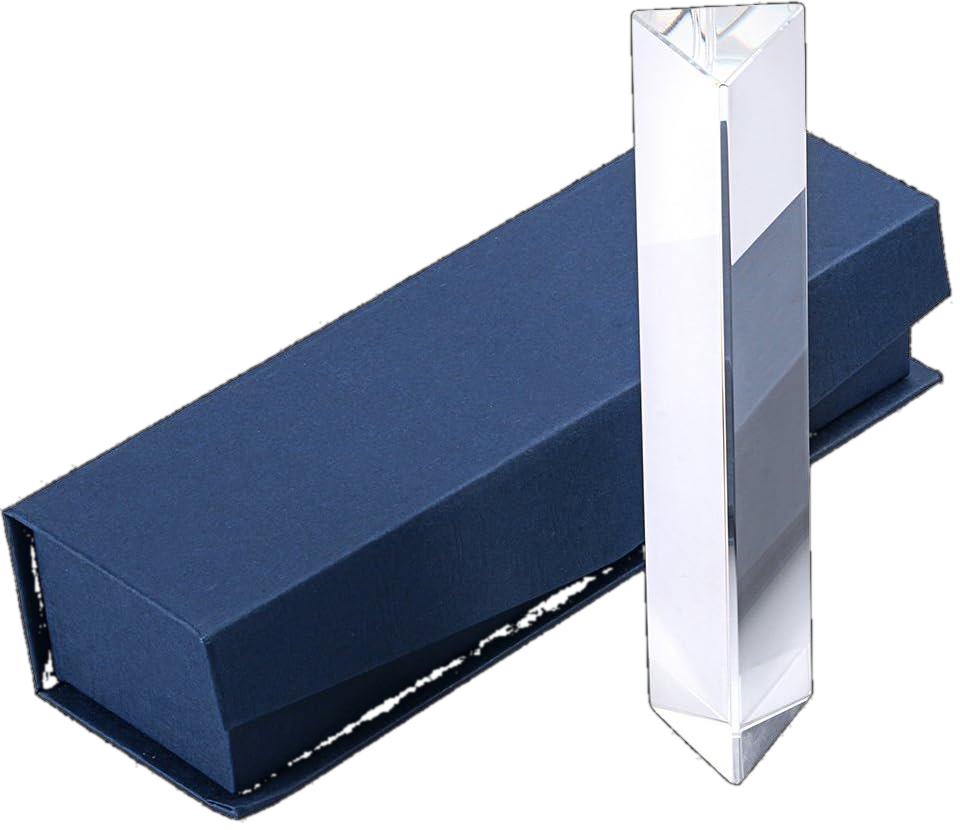
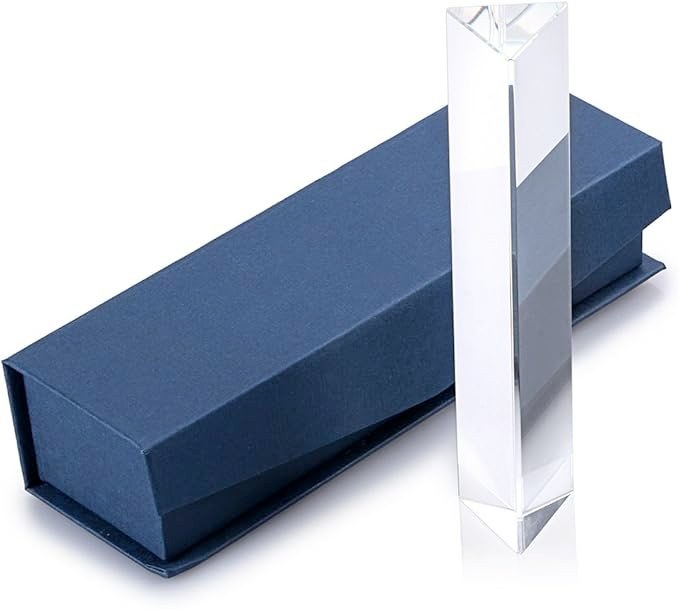
Prism types, optical quality, what to buy, what to avoid, working distance primer.
How dispersion works, warm vs. cool sources, predicting color placement before you fire.
Eight-step baseline sequence. Lock exposure before the glass enters the frame.
The three controls. Roll, yaw, pitch. Foreground vs. redirected refraction.
Dream, Sweet Spot, Structured Geometry. How to move through all three with intention.
Five problems, each with symptom, cause, and correction — without breaking subject connection.
Using the prism to open up nude and boudoir sessions that would otherwise never happen.
Six real images fully deconstructed — visual read, technical choices, exact replication steps.
The complete six-step framework. The governing system for every session.
The work — Photo Book · 66 pages · 26+ models
The companion Photo Book is not a portfolio. Three decades. One photographer. One repeatable system. Every image in this book was created by Michael J. Laudini using the exact framework his Technical Guide teaches — proof — that what you'll learn actually works.
Free download
The Prism Control Model™ Quick Reference Card is a single-page summary of the complete six-step framework — designed to print and keep in your kit bag. Free. Immediate.
The six steps. The three physical controls. The aperture zones. One page. Free.
Enter your email and it lands in your inbox immediately.
The author
What photographers are saying
I've shot with prisms for six years and still found something new in every chapter. Laudini gave the technique a vocabulary it was missing.
The Prism Control Model is the first time I've seen this treated as a system rather than a happy accident. I'm assigning it to my advanced students.
A rare technical book that never forgets it's about vision. The failure patterns chapter alone is worth the cover price.
The offer
Published April 2026. Through the end of the year, three standout images selected from the @Infinite.Prisms community will receive $650, $250, and $150. Buy the book, shoot the work, tag the images in Instagram and enter the conversation.
Prices in USD · Instant digital download · All major cards accepted
FAQ
Ready
Every image in this guide was made by establishing the baseline first, then introducing refraction with a clear intention. That discipline is what this book builds — until the glass stops being something you experiment with and starts being something you command.
Prices in USD · Instant digital download